
Responding to a fan’s request, Courtney Hadwin took to Instagram in 2019 to perform a raw, stripped-down version of “Back to Black” by Amy Winehouse and the result still gives listeners chills today. With only a simple backing track behind her, Courtney poured every ounce of soul into her voice, capturing the heartbreak and defiance that made Amy’s original so timeless.
The video, which has gathered over thousands views, showcases exactly what fans have always loved about her — that unique, raspy tone that feels like it comes from another era. One listener wrote, “Courtney is unique. She can sing everything. And that’s just wonderful.” It’s true: while many artists can cover Winehouse, very few can embody the pain and passion behind her songs the way Courtney does.

That same emotion is what first made the world notice her back in 2018, when a then–13-year-old Hadwin auditioned for America’s Got Talent. Her explosive rendition of Otis Redding’s “Hard to Handle” became one of the show’s most viral moments, turning her overnight into one of the most talked-about young performers on the planet. But as Courtney has since admitted, the fame wasn’t easy to navigate.
“It’s been hard, I’m not gonna lie,” she said in a recent interview. “I’m always grateful for that show, but I constantly feel like I have to prove I’m not just the girl from that TV show.”
Now 21, Hadwin has grown far beyond the child prodigy label. She’s spent years trying to find her sound — a mix of gritty blues, vintage soul, and modern rock. After signing a record deal in her teens and being pushed toward a pop image that didn’t fit, she eventually broke free, finding a true creative partner in producer Kevin Bowe, who has worked with legends like Etta James and Joe Cocker. Together, they’ve been crafting her debut album, Little Miss Jagged, set to release on September 15.
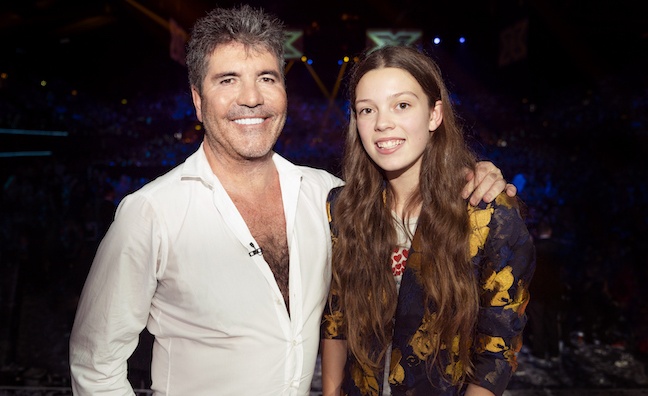
“I’ve never written this personally before,” Hadwin shared. “Kevin helped me get to a place where I could be completely honest in my songwriting.”
That honesty bleeds through in performances like “Back to Black.” While Amy Winehouse’s version was written in the wake of heartbreak — a reflection of her turbulent relationship with Blake Fielder-Civil — Courtney’s take feels like a modern-day echo of that same pain, told through a younger voice that’s seen her own share of struggle and resilience.
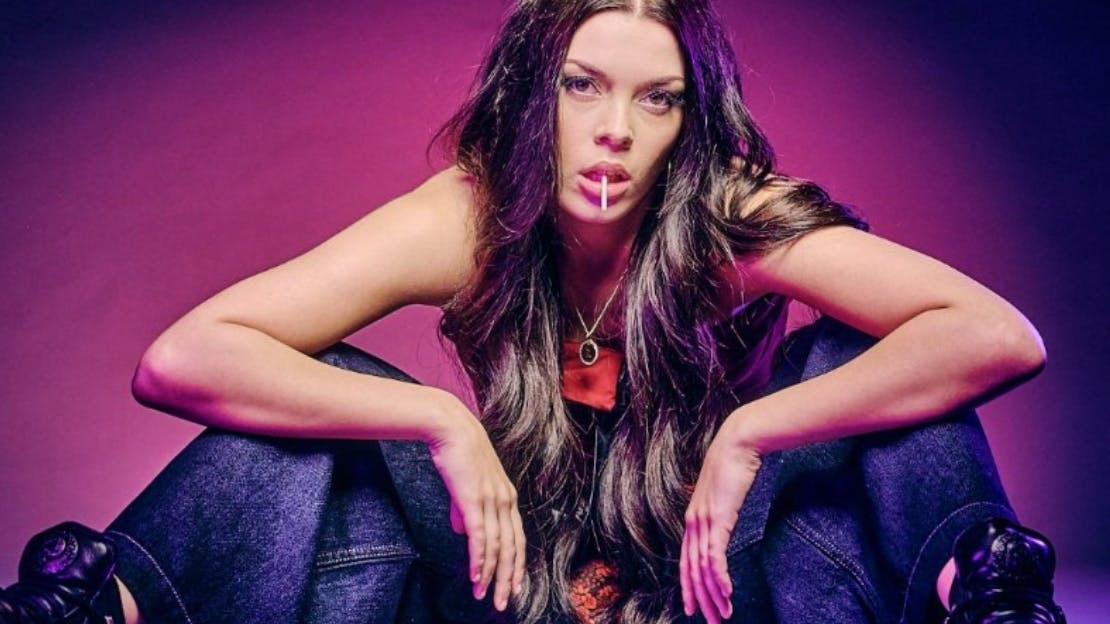
The original Back to Black album, released in 2006, made Amy a global icon and remains one of the best-selling UK records of the 21st century. Its title track became a symbol of love, loss, and self-destruction — emotions that Amy laid bare in both her lyrics and her life.
When Courtney sings, “You go back to her, and I go back to black,” it doesn’t sound like imitation. It sounds like understanding. A new generation channeling the same raw truth that Amy once gave the world.

As Courtney continues to define her identity as an artist — no longer a teenage talent show contestant but a full-fledged musician — performances like this remind us why people fell in love with her voice in the first place. She doesn’t just sing; she feels.
And in that moment, somewhere between past and present, Amy Winehouse would surely be proud.