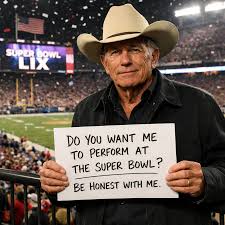
The Super Bowl has always been more than a game. It is a mirror. Every year, it reflects what America values, what it argues about, and what it is ready to celebrate together, if only for a few hours. Lately, that reflection has been changing. Subtly at first. Now, unmistakably.
Something is shifting in American culture, and the Super Bowl sits directly in its path.
For years, the event leaned heavily on spectacle. Bigger stages. Louder statements. Performances designed to dominate the conversation before and after the final whistle. But the national mood has changed. Audiences are tired of being talked at. They want to feel something again. Connection. Authenticity. Familiar voices that carry shared memory, not just trending relevance.
You can hear it in the conversations around halftime. The calls are no longer just about who is hot, but who matters. Who can unite generations in the same living room. Who carries emotional weight instead of cultural noise. There is a growing hunger for artists and stories that feel grounded, not manufactured.
This is not a retreat into nostalgia. It is a recalibration. Americans are reassessing what endurance looks like. What credibility sounds like. What kind of presence earns attention rather than demands it. In a fractured media landscape, the Super Bowl remains one of the last true communal moments. That makes its choices feel symbolic in ways they did not before.
The league understands this. Sponsors understand it. Networks understand it. The question is no longer how loud the halftime show can be, but how meaningful. The shift is away from shock and toward substance. Away from polarizing statements and toward moments that feel earned.
This cultural turn is also about trust. Audiences are skeptical of overproduction and forced messaging. They respond more strongly to performances that feel lived in. Artists who do not chase relevance because they already have it. The Super Bowl, intentionally or not, is being pulled toward that gravity.
Even the language around the event has changed. Words like legacy, unity, and authenticity appear more often than dominance or disruption. That is not accidental. It reflects a broader desire for stability in an era defined by constant change.
When the Super Bowl senses a shift, it adjusts. It always has. From its early days as a sports broadcast to its rise as a cultural megaphone, the event has evolved alongside the country. Right now, it is responding to a collective exhale. A moment where people want to recognize themselves in what they are watching.
The coming Super Bowls will not abandon spectacle. They cannot. But the center of gravity is moving. Toward artists with history. Toward performances that resonate across age, politics, and taste. Toward moments that feel less like a statement and more like a shared experience.
Something is shifting in American culture. The Super Bowl can feel it because it depends on it. And when kickoff arrives, what unfolds on that stage will say as much about who we are becoming as who wins the game.