Introduction
The Bangs, the Denim, the Truth: Ella Langley’s Authentic Blueprint for Success
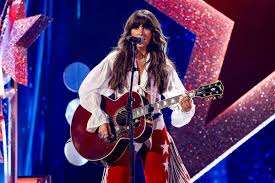
Ella Langley may be one of the most talked-about names rising through country music right now, but what makes her feel different isn’t just the chart movement or the bigger stages—it’s the sense that she hasn’t traded her self for the spotlight. In a business that can polish artists until they look and sound like everyone else, Langley keeps insisting on something older Americans tend to recognize immediately: authenticity is not a branding strategy. It’s a way of living.
That’s why her newest milestone—becoming the face of American Eagle—doesn’t read like a sudden style makeover. It reads like a full-circle moment for a singer who has always treated clothes the same way she treats songs: every piece has a story attached.
Langley remembers growing up with photos of herself in American Eagle shorts—shorts her mother had bedazzled by hand. It wasn’t about chasing a trend. It was about pride, personality, and the kind of small, practical creativity that families pass down without ever calling it “fashion.” She describes them as the first denim she truly loved. That detail matters, because it tells you something about her: when she loves something, it’s not because it’s expensive or rare. It’s because it felt like hers.
And that’s the through-line of her partnership with American Eagle. In her mind, the brand has always carried a simple message: be yourself. That’s also what she tries to communicate in her music—especially as she climbs higher and the pressure to “adjust” gets louder. Her everyday style, she says, is laid-back, a little outdoorsy, and always rooted in comfort. For a lot of older readers, that might sound like common sense—dress like a human being, not a billboard—but in modern celebrity culture, it’s quietly rebellious.
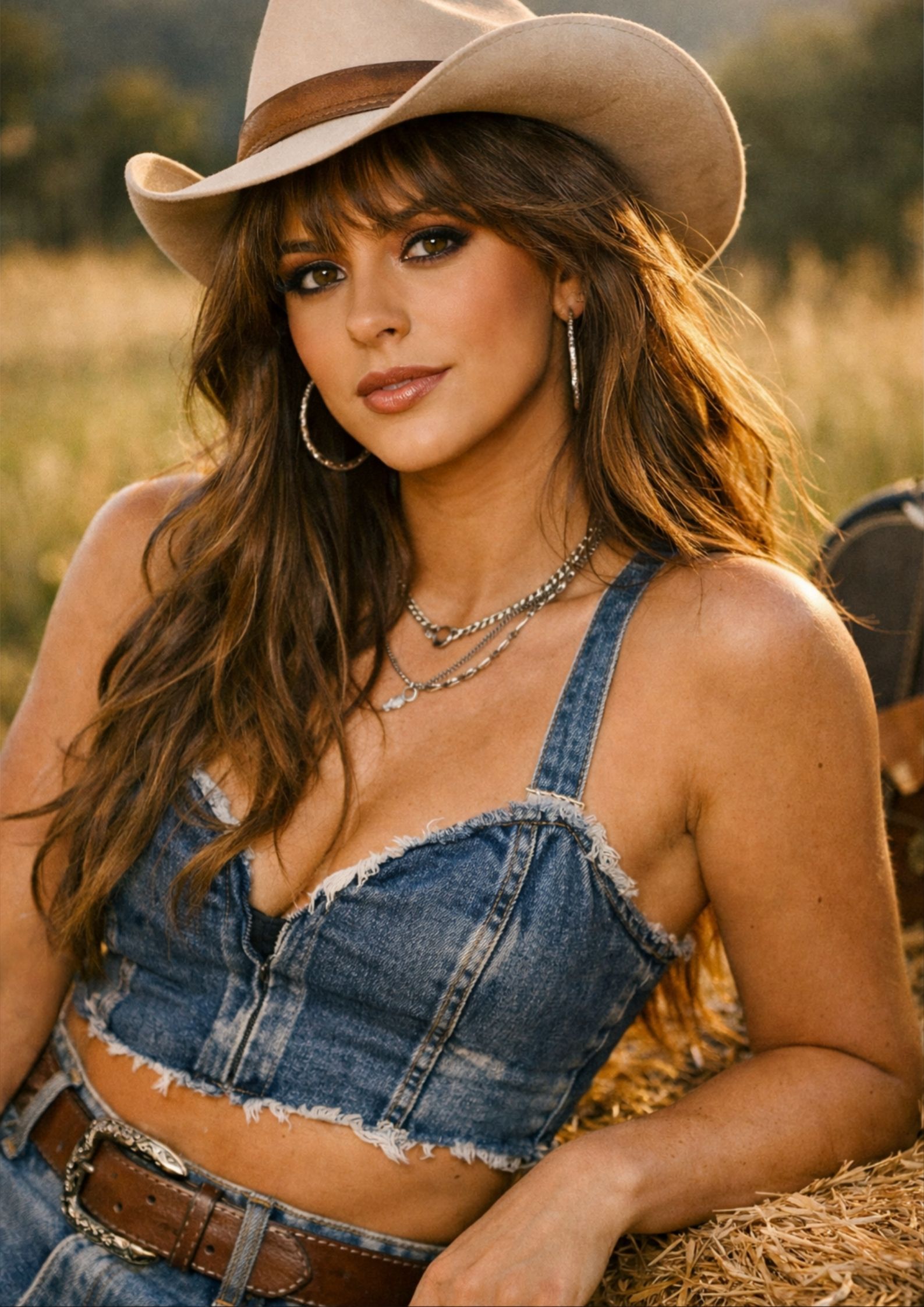
Langley’s personal style, by her own description, is confident, feminine, and powerful—without needing to be complicated. Her go-to formula is jeans and a T-shirt, “no question.” And isn’t that its own kind of American language? Denim and a tee: the uniform of road trips, backyard conversations, small-town errands, and ordinary days that end up being the ones you remember most. Still, she keeps it interesting by mixing vintage pieces with timeless silhouettes, which is another way of saying she respects the past but doesn’t live inside it.
What’s especially refreshing is how she talks about showing up for the campaign. She didn’t try to force a “character” or become someone camera-ready but unfamiliar. She followed a rule she’s set for herself during her career rise: don’t force anything. She wants any set she’s on to feel like a normal day in her life—just with more cameras. That line lands because it contains a truth many older Americans have learned the hard way: when you start forcing a version of yourself, you eventually lose track of who you were before.
The campaign images, she says, feel “dreamy,” but they also feel wearable—outfits she’d actually put on in real life. She’s especially taken with the denim lineup, from low-rise bootcut jeans to a denim jacket, and even a flirty high-waisted mini skirt. And in a charming twist, she calls herself a “Denim Darling”—a nod to a childhood church nickname, “Ella Darling.” The nickname matters. It’s not just cute—it’s grounding. It ties the artist on the billboard back to the kid who was known in a small community where people loved her before anyone cared about streams or sales.
Then there are the details fans live for—the ones that feel like you’re hearing advice from a friend rather than a star. Langley showed up on set with her signature bangs, and she has a practical trick for keeping them in place: she uses eyelash glue. Micellar water to remove it, a few hair flips to test, then spray it down. It’s funny, it’s specific, and it’s very on-brand for her: not precious, not overly curated—just a real-life hack from someone who’s been doing her own thing long enough to know what works.
But the “real magic,” as she puts it, is collaboration. She loves being involved in details—set, location, music, inspiration—because it keeps the work honest. That’s another sign of maturity: she’s not just being dressed and placed; she’s participating, shaping, deciding.
And if it feels like she’s hit a peak, she’s the first to tell you she’s still climbing. This year is positioned as a major one: on April 10, she releases her new album Dandelion, followed by The Dandelion Tour running from May to August. Yet the most revealing part may be how she describes staying present. At the end of a day, she says, there’s no better feeling than washing off her makeup, putting on the perfect playlist, lighting a candle, taking a breath, and slowing down with her dogs nearby. In other words: returning to the quiet. Returning to herself.
Looking back, she says she’d tell her younger self to keep working hard—because every show and every song led to this moment. That’s the kind of statement older readers tend to respect, because it’s not romantic. It’s earned.
So here’s the question that lingers after the campaign, the bangs hack, the denim, and the album rollout: in a culture that constantly asks artists to reinvent themselves, what if the most powerful move is simply staying recognizable—staying true?
If you’ve been watching Ella Langley rise, what do you value more in an artist today: the voice, the songwriting, or the sense that they’re still telling the truth?