Introduction
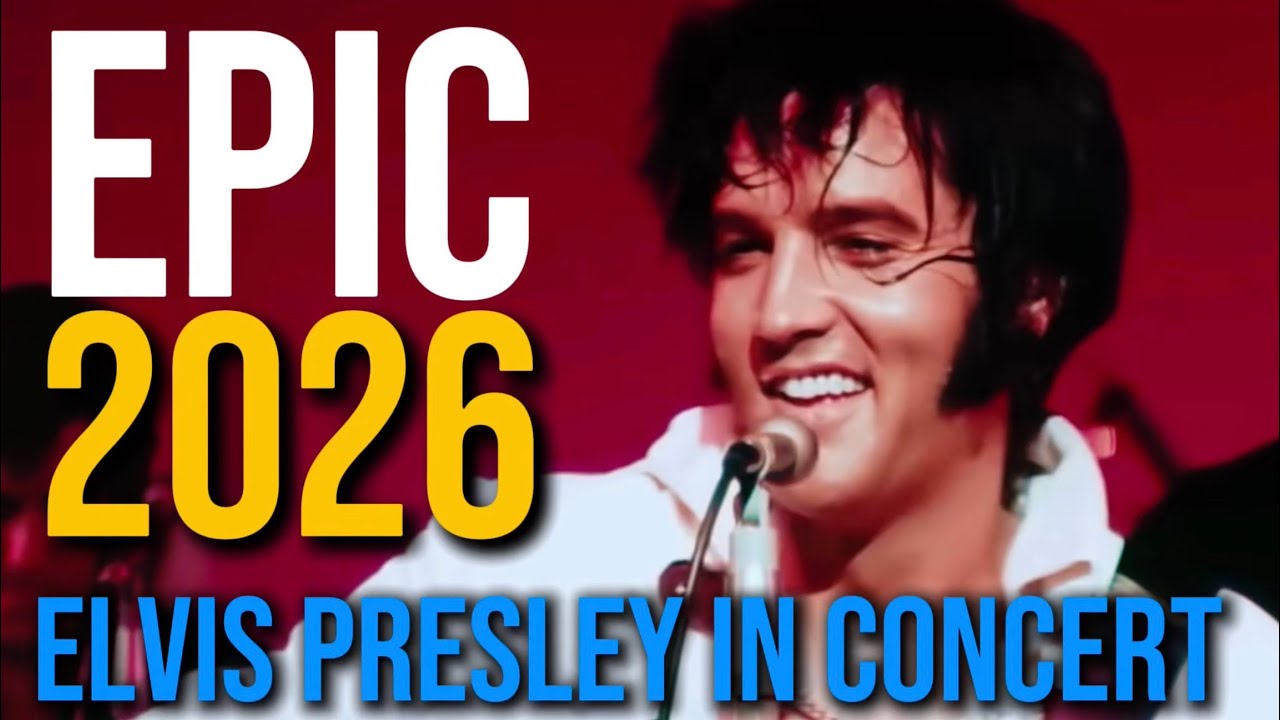
For decades, the story of Elvis Presley in Las Vegas has been flattened into a single, overused narrative. It is usually framed as a slow and inevitable collapse inside a glittering cage, a once revolutionary artist worn down by rhinestones, repetition, and excess. That version has hardened into accepted history. Yet the release of Epic Elvis Presley in Concert, the astonishing new concert film restored and shaped by Baz Luhrmann, quietly but forcefully dismantles that myth.
More than forty years after Elvis left the world, these newly restored images and sounds suggest something unsettling. We may never have truly heard him before.
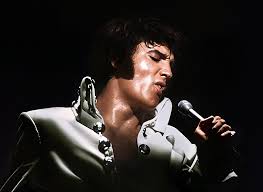
Luhrmann’s project, developed after his Oscar nominated biopic, does not function as nostalgia or tribute. It operates as correction. Built from long forgotten footage of Elvis Presley’s Las Vegas residencies and touring performances, the film brings a level of visual clarity that feels almost intrusive. The sweat on Elvis’s face is not decay. It is exertion. His movements are not mechanical habit. They are the precision of a performer dominating the room at the International Hotel.
The restoration erases the haze of history. Colors are sharp. The stage feels immediate. The audience is no longer a blur. This is not a legend seen from afar. This is a working musician in real time.
For the first time, the story is not framed around decline. It is framed around music.
The emotional center of the film comes from something that tabloids and biographies spent decades chasing but never truly captured. Elvis speaks. His voice, recorded privately and unheard by the public for years, cuts through the noise of interpretation.
“There’s been a lot written and said, but never really from my side of the story.”
It is a simple sentence. Its impact is devastating. Elvis has been frozen in photographs, impersonated on stages, reduced to symbols and caricatures. Hearing him assert authorship over his own life reframes everything that follows. It feels less like commentary and more like a quiet reclamation.
Luhrmann avoids the conventions of documentary filmmaking. There are no experts. No narrators. No historians explaining the 1970s. The film unfolds as a living concert experience. Cameras linger on exchanges between Elvis and the TCB Band, on quick glances, half smiles, musical cues delivered without words. The relationship is one of trust and intensity.
During a searing performance of Suspicious Minds, the tension in the room is undeniable. This is not a singer running through hits. This is a man wrestling with them, pushing tempo, stretching emotion, demanding everything the song can give back.
“Play it like you mean it,” Elvis tells his band during a candid studio moment.
The line shatters another long held assumption. This is not an artist disengaged from his craft. This is a perfectionist. A bandleader acutely aware of acoustics, dynamics, and emotional weight. The film repeatedly shows Elvis adjusting arrangements to suit the room, reshaping ballads into something nearly sacred.
The restored footage also emphasizes the bond between performer and audience. Faces in the crowd come into focus. Women in evening gowns cry openly. Men in tailored suits stand on chairs, eyes locked on the stage. All of them orbit one figure in a high collar white jumpsuit. When Elvis sings Burning Love, the lyric about slipping out of reach feels less like metaphor and more like confession.
This intimacy lands differently in the present moment. A younger generation raised on short clips and algorithms is encountering Elvis not as myth but as human. They are not searching for icons. They are searching for truth. Epic meets that demand by removing every layer between the viewer and the performance. There is nothing to hide behind. Only lights, sound, and the man himself.
One backstage sequence strips away the final mask. Without sunglasses, without posture, Elvis speaks quietly about the shifting musical landscape and his place within it.
“It has to feel like the first time we ever walked on stage.”
That sentence explains everything. The urgency. The force. The refusal to coast. Every night is treated as proof of relevance. Every show is a test he intends to pass.
The sound restoration deserves attention of its own. Rebuilt from original multitrack recordings, the audio is immersive and precise. Brass cuts cleanly through the mix. The bass vibrates physically. Most striking of all is Elvis’s voice. Freed from muddy past releases, it rises with clarity and control. Before the mythology, before the spectacle, there was a singer of rare range and power.
As the final credits roll, absence is not what lingers. Presence is. The film argues convincingly that Elvis in Vegas was not a fall from grace but another summit. A period of vocal maturity and performance mastery that history misjudged. By allowing the footage to speak without interruption, Luhrmann gives Elvis what fame denied him in life. Authority over his own narrative.
When the screen finally fades to black, the silence that follows is heavy. Not with grief, but with the echo of a performance that somehow feels unfinished. As if the last note is still hanging in the air, waiting to be heard again.